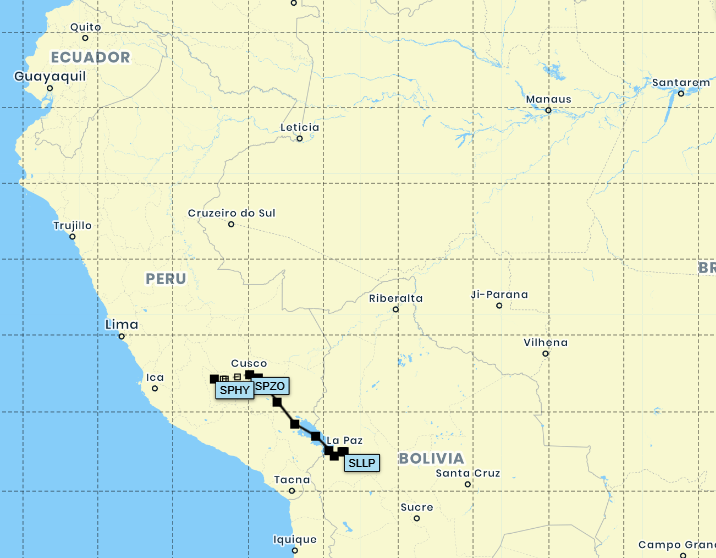
SLLP - SPZO
EL Alto International Airport - Alejandro Velasco Astete International Airport
Thought we were going to end the high-altitude landings just because we left Bolivia? Think again.
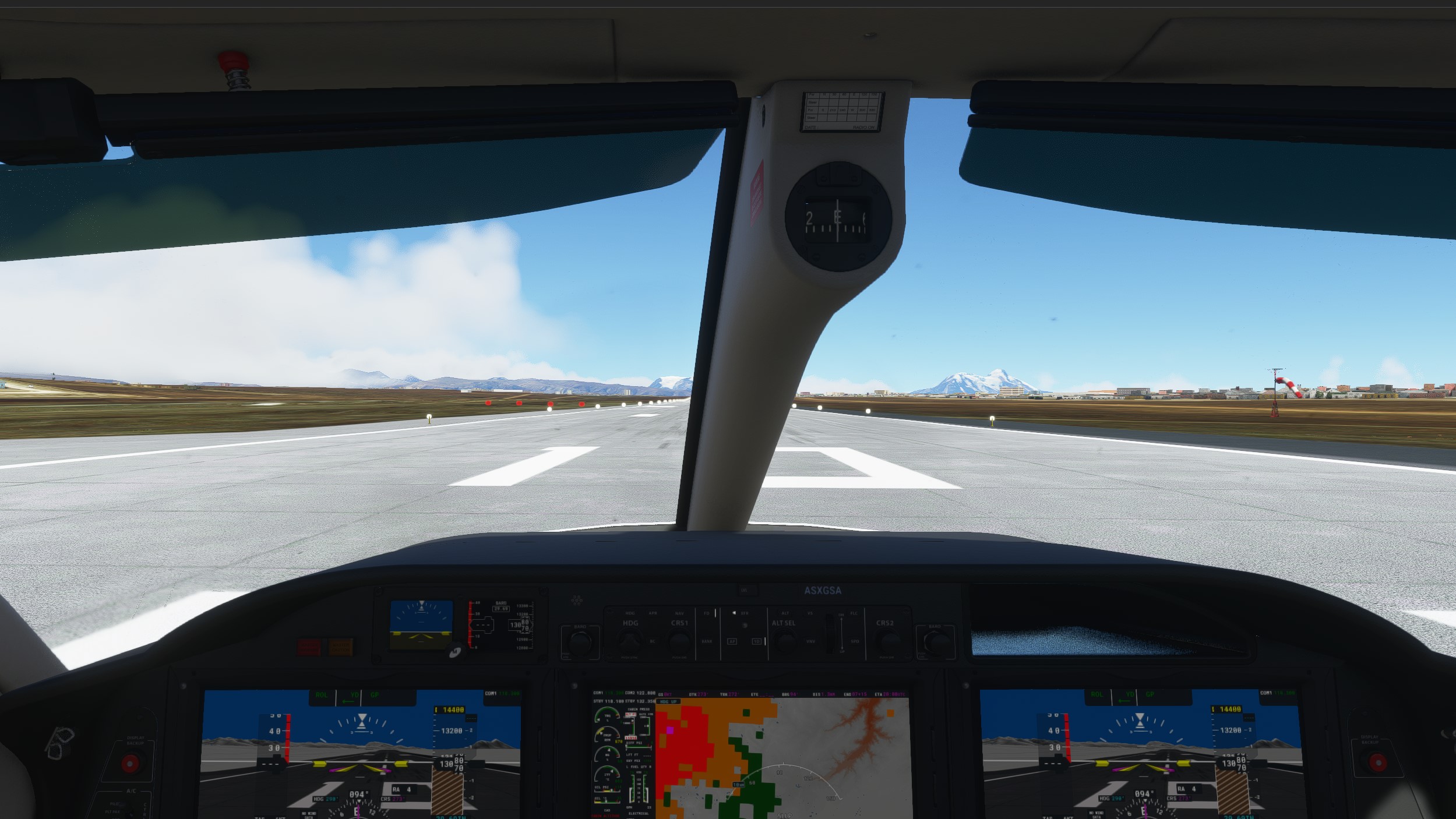
Taking off from 13000ft, the perf of the engine was crap. It’s good that the airport has an exceptionally long runway.
This trip takes us to Cusco, one of Latin America’s most popular tourist destinations. The airport, located at 10860ft, is a high-altitude airport in Peru, and is named after the Peruvian aviation pioneer Alejandro Velasco Astete. He was the first person to cross the Andes in 1925, and tragically died in an accident during an airshow in Peru.
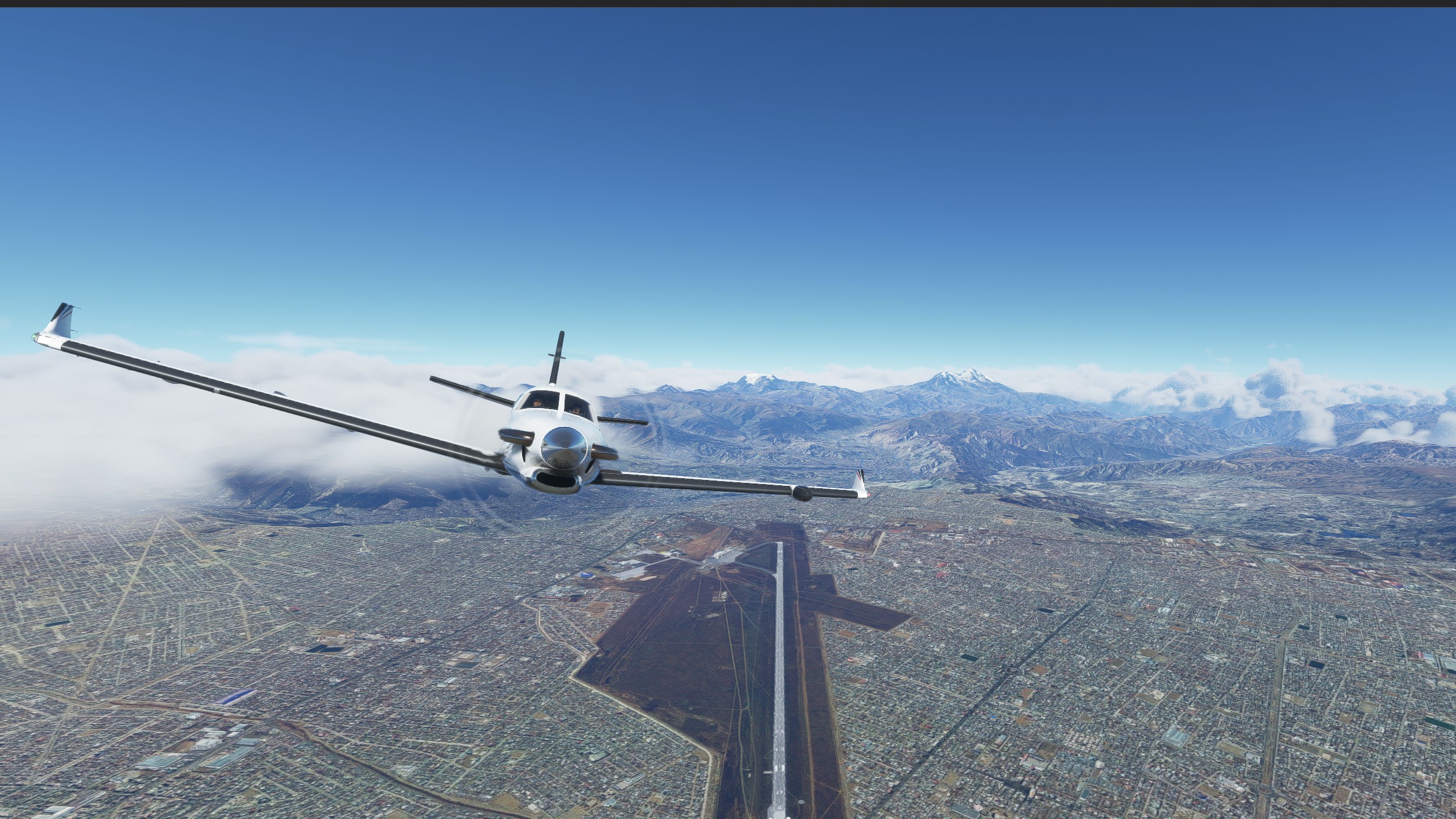
Bye bye Bolivia. Departure from El Alto
Our trip from La Paz to Cusco takes us right through the middle of Lake Titicaca. Titicaca is the largest lake in South America, and the highest lake in the world (at least from the ones with a surface big enough to be of significance, though there are other much smaller bodied of water in the world at higher altitudes).
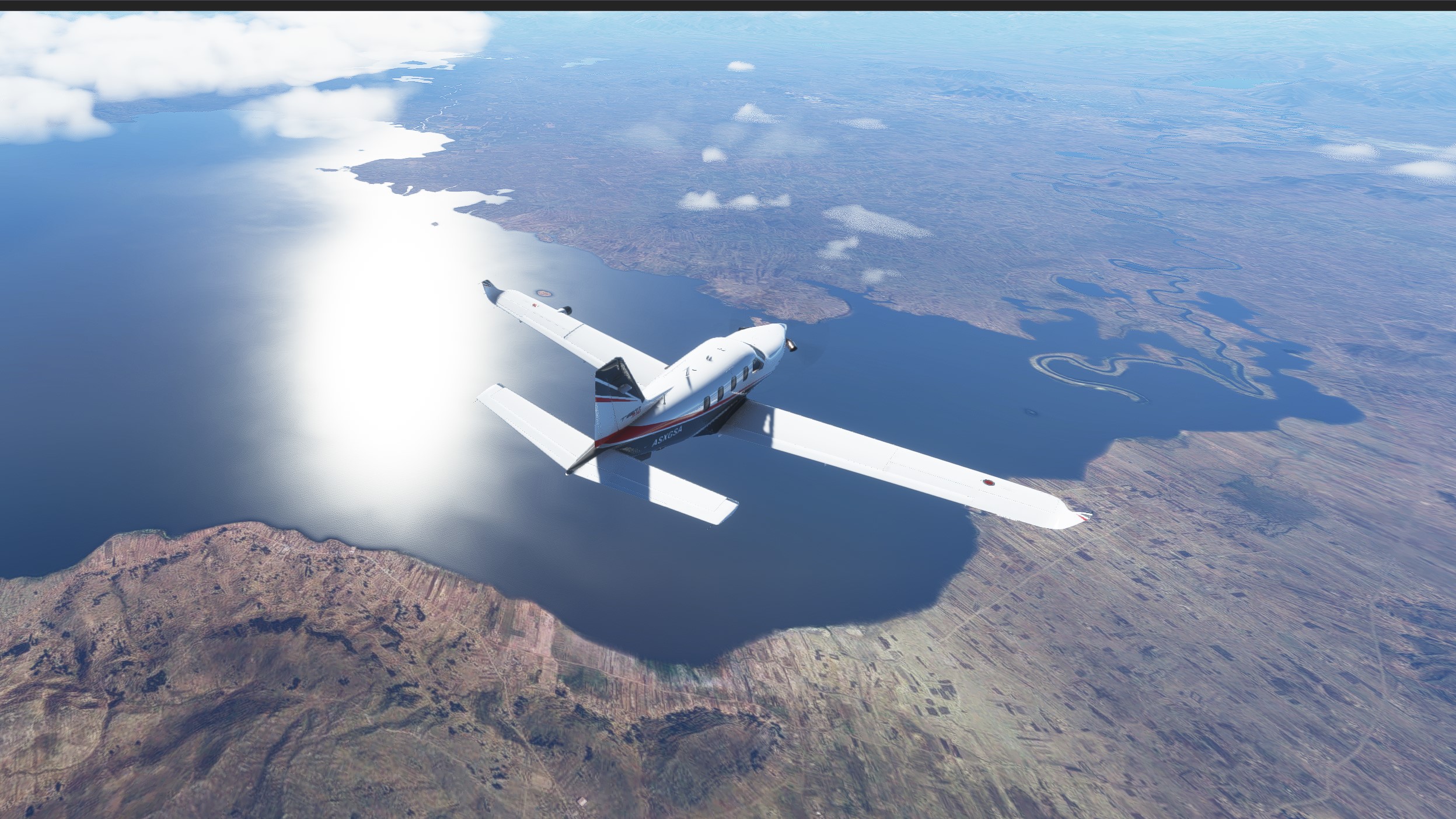
The terrain is less rugged than in Bolivia, but we are still navigation altitudes above 10000ft, with mountain peaks and volcanoes which are much higher than that along the Andes.
Again, the weather is impeccable for this flight, which I attribute to the fact that it is summer down there and sunny, clear skies are the norm. But we are keeping on moving north and it’s already the end of November, so weather will get bad once he hit central American and beyond (it’s hurricane season over there right now).
As I land in Peru for the first time, there is one thing which I can’t get out of my mind. My love for Peruvian food. Peruvian food it the best. If you like fish and seafood, there is no better food than Peruvian. Full stop. My favorite of all? Ceviche. Ceviche is essentially raw fish which is marinated for ours in lemon juice. A delicatessen of epic proportions, a thing that belongs in another dimension.
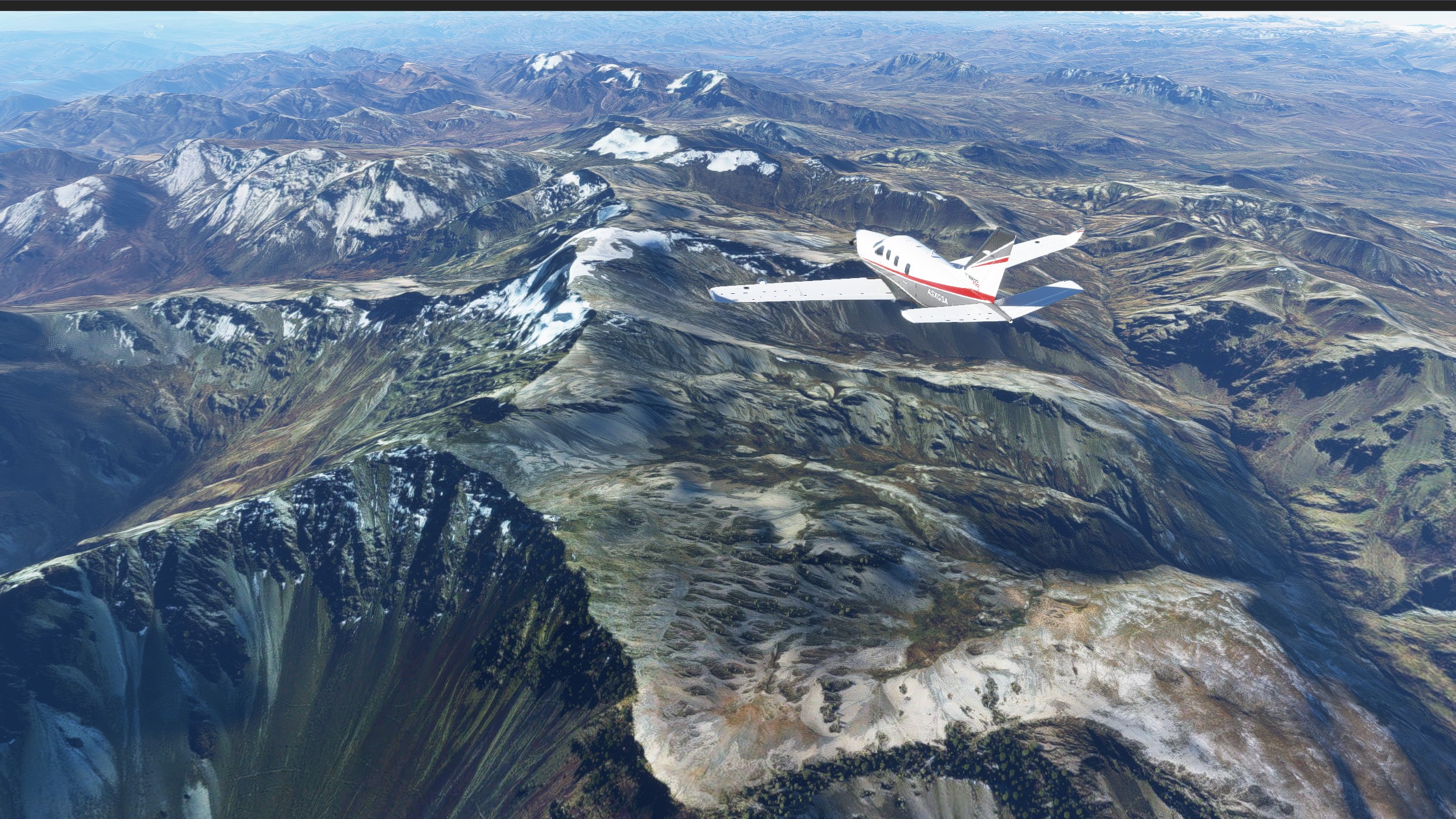
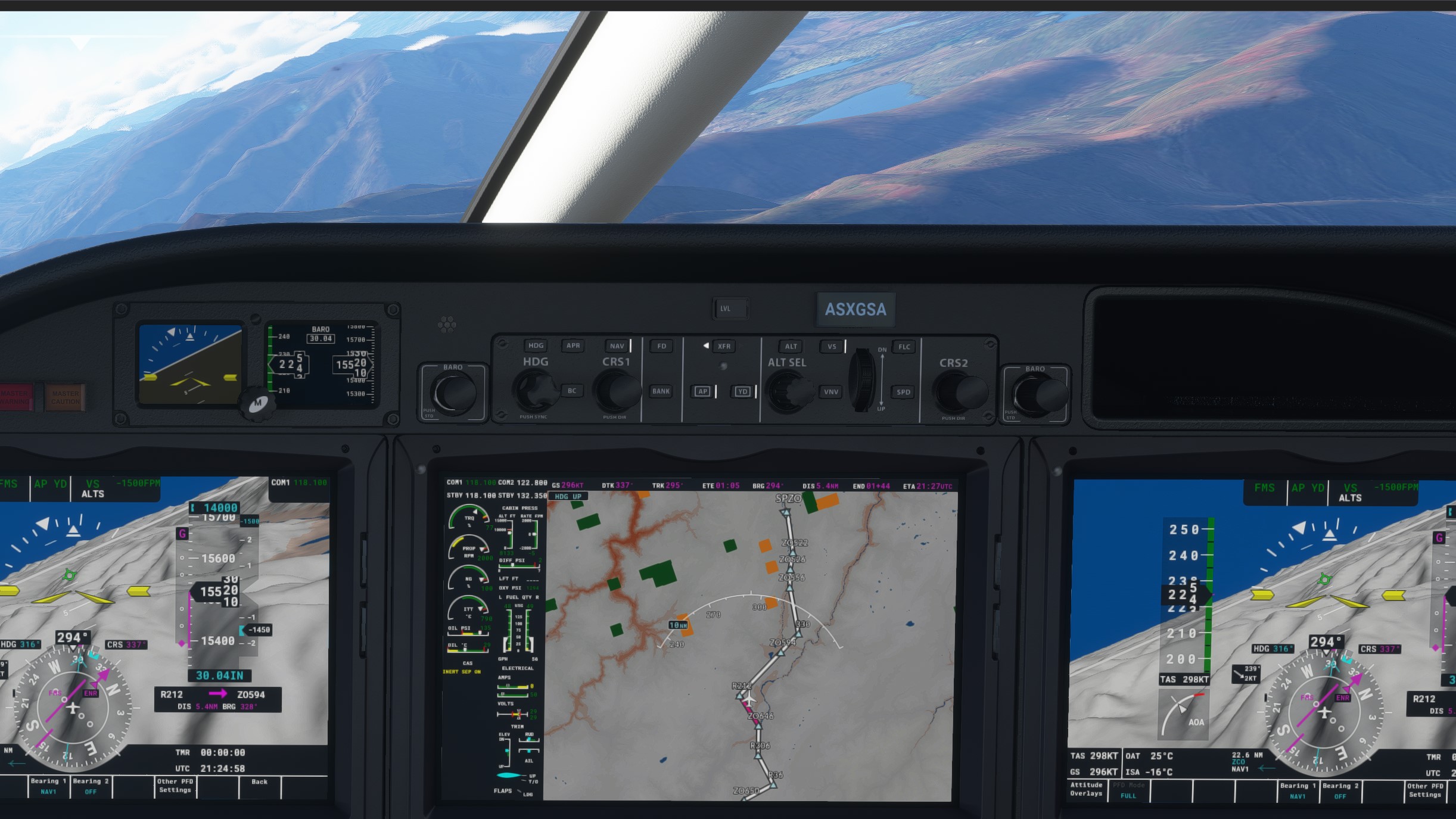
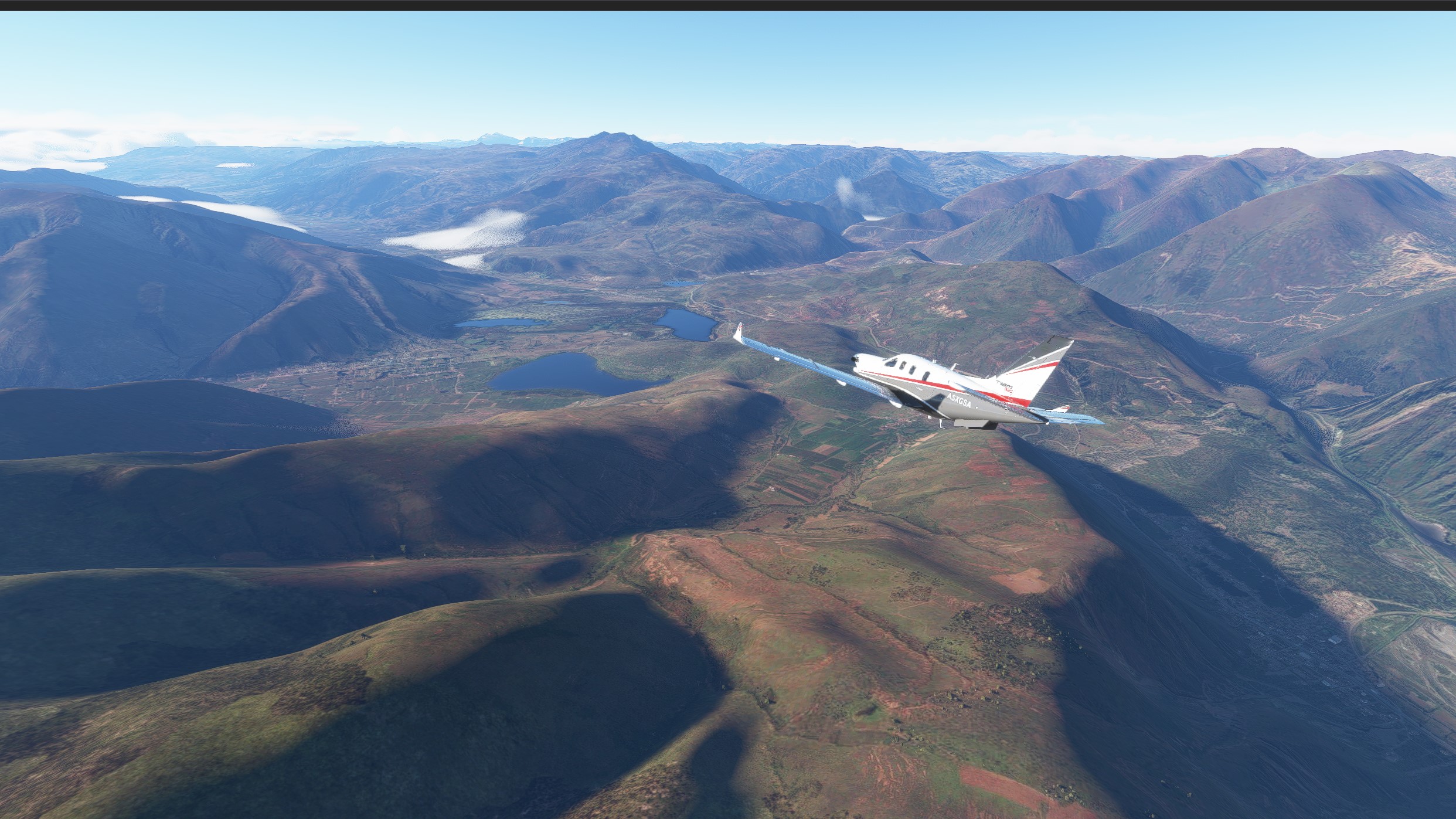
The approach to Cusco is nothing I’ve seen before. There is an RNAV approach procedure that has you constantly descend through the mountains while you are swirling them left and right to avoid a collision. Navigating through the valleys while you are losing altitude:
If your FMS (Flight Management System) is not probably programmed, you wont make it.
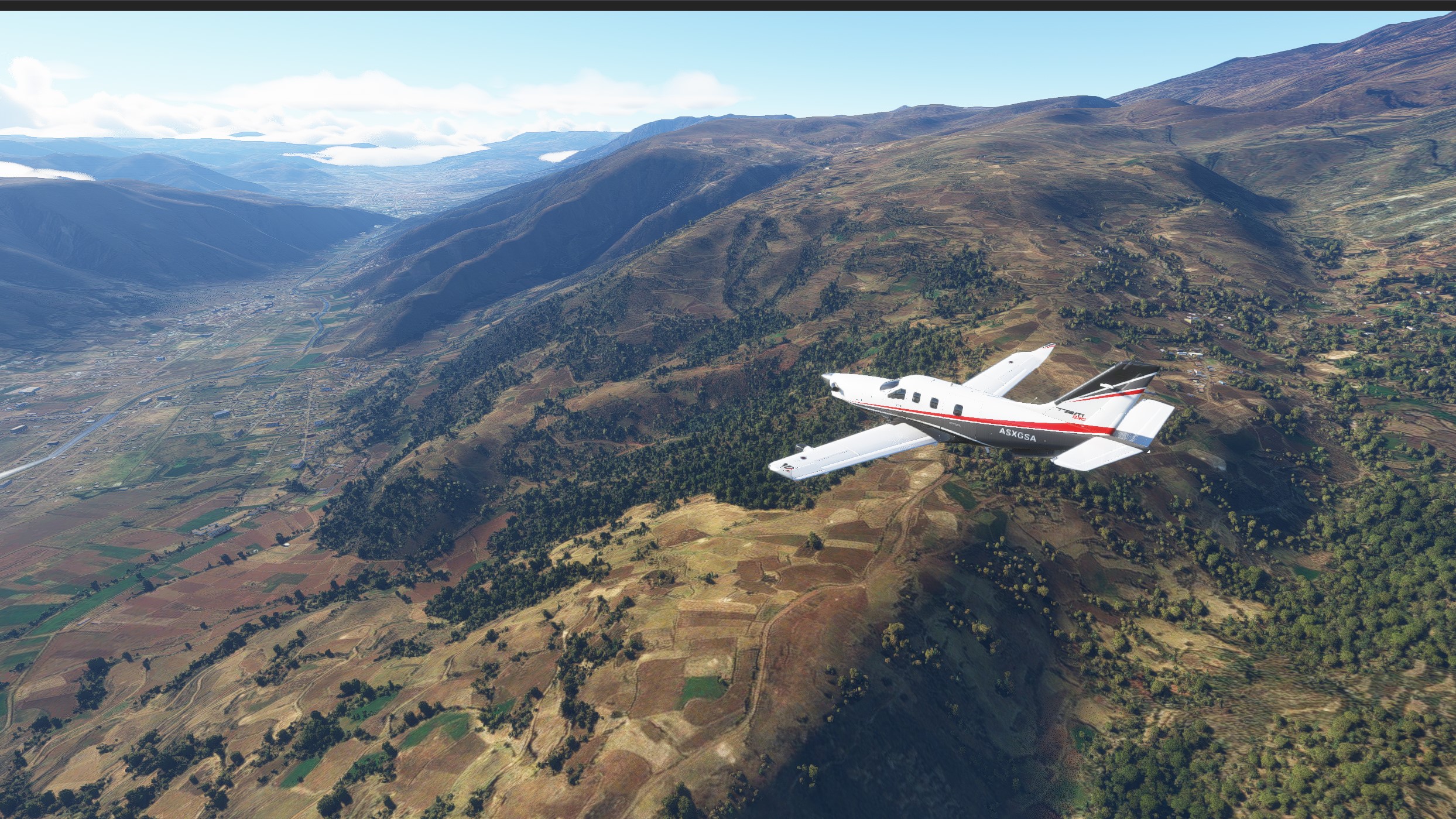
The RNAV approach puts you really low and close to the slopes of very high mountains. If you botch the RNAV procedure, you are in trouble.
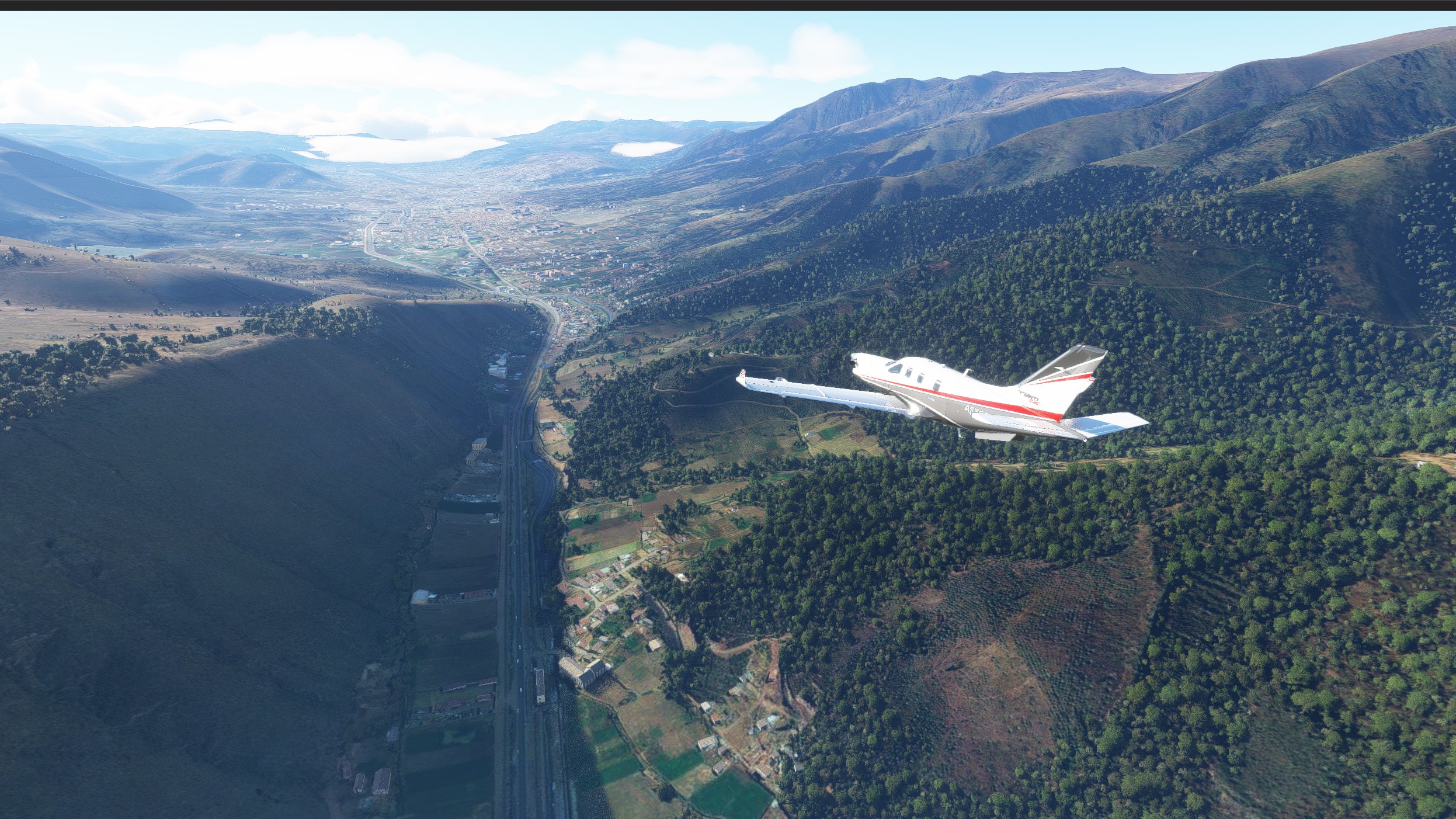
The orientation of the runway is facing a mountain slope, so you come in through the valley into the airport without being properly aligned with the runway. So, you need to keep distance from the slops on your right, and then bank hard to the left for a final approach. Hopefully, that hard left bank will put you in line with the runway. If not, you’ll have to declare a missed approach and try again (and the missed approach procedure is as twisty as the approach itself, so you don’t want to botch this approach).